
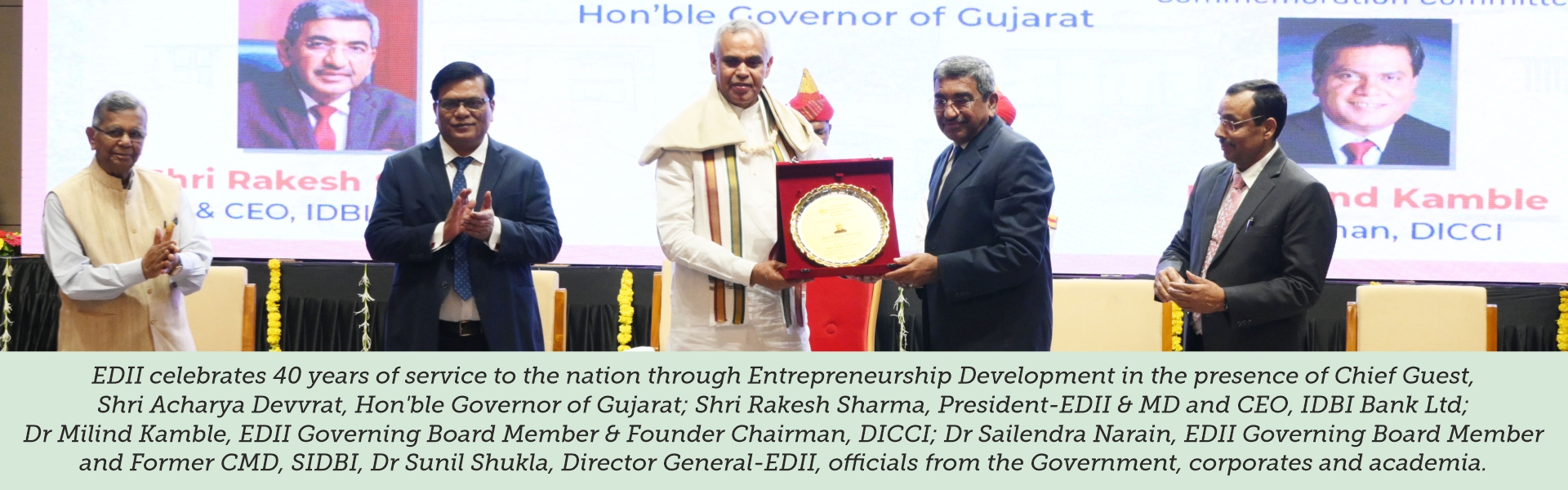
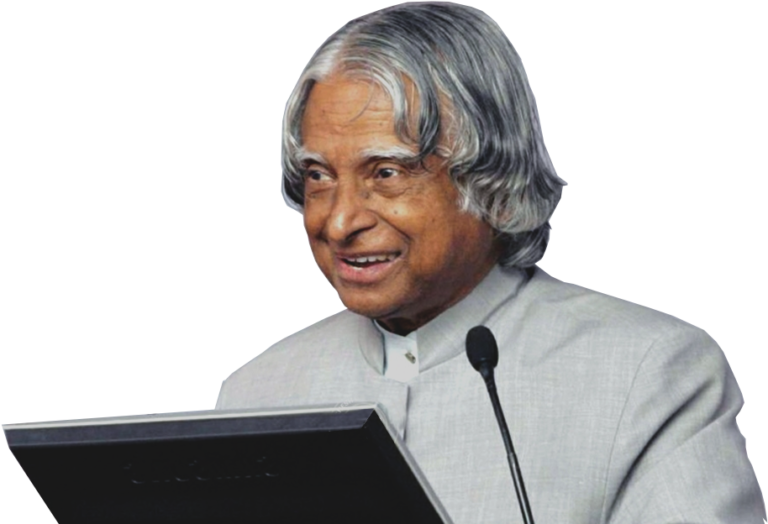
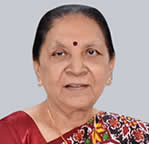
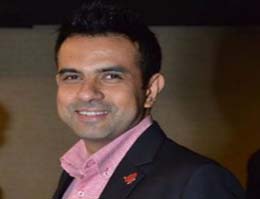
At Silver Jubilee Celebration Function, 26th September 2009 as the then Chief Minister of Gujarat
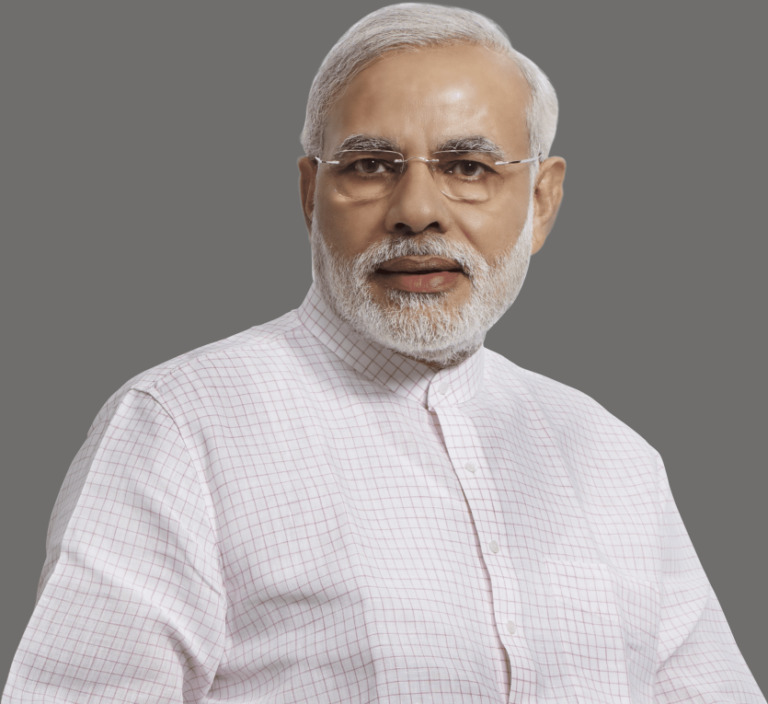
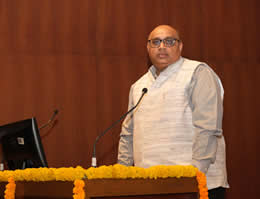
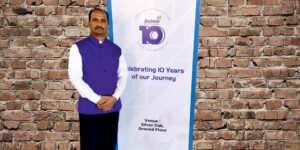
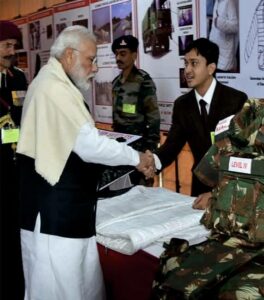
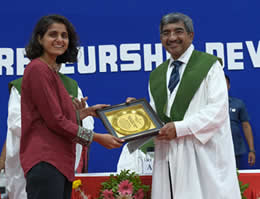
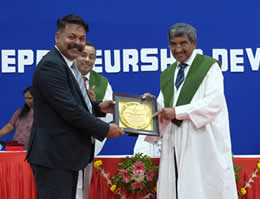
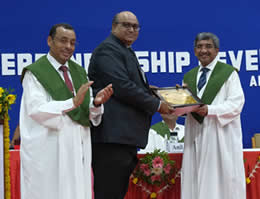
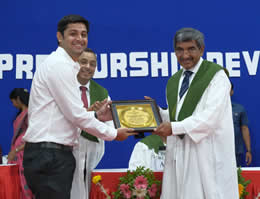
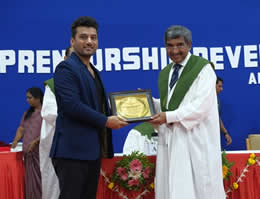
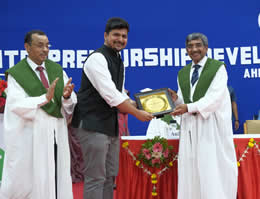
At the valedictory function of Entrepreneurship Development Training Programme for existing & budding SC-ST entrepreneurs on Jan 22, 2019 as the then Chairman of Ahmedabad Urban Development Authority (AUDA)
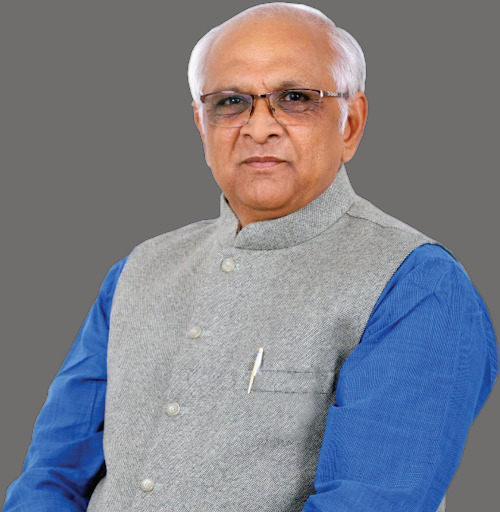
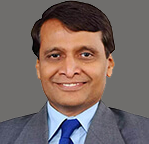
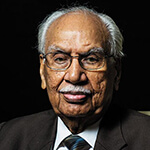
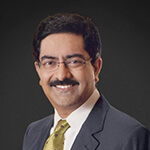
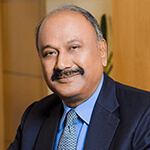
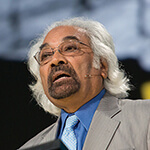
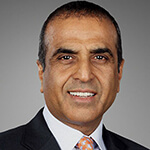
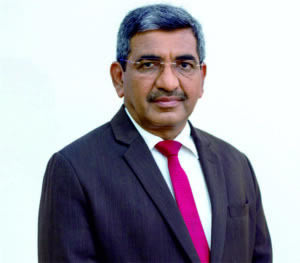 “Entrepreneurship awareness must Permeate into folds of every section of society; and one way of achieving this is by disseminating its advantages through the medium of training and education. EDII understands this well its success stories are the testimonies of this phenomenan.”
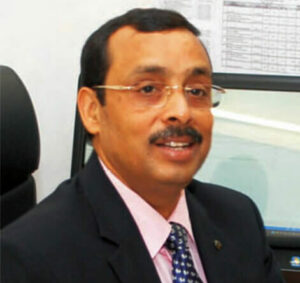 “Well-groomed and trained entrepreneurs have opportunities galore and immense options to make it big. So, for anyone who decides to pursue entrepreneurship in the present times, it would be a rewarding decision. The prospects for first generation entrepreneurs are indeed brilliant. And for this it is important to create awareness about learning entrepreneurship like any other discipline and adopting it as a career.”
“Entrepreneurship awareness must Permeate into folds of every section of society; and one way of achieving this is by disseminating its advantages through the medium of training and education. EDII understands this well its success stories are the testimonies of this phenomenan.”
“Well-groomed and trained entrepreneurs have opportunities galore and immense options to make it big. So, for anyone who decides to pursue entrepreneurship in the present times, it would be a rewarding decision. The prospects for first generation entrepreneurs are indeed brilliant. And for this it is important to create awareness about learning entrepreneurship like any other discipline and adopting it as a career.”












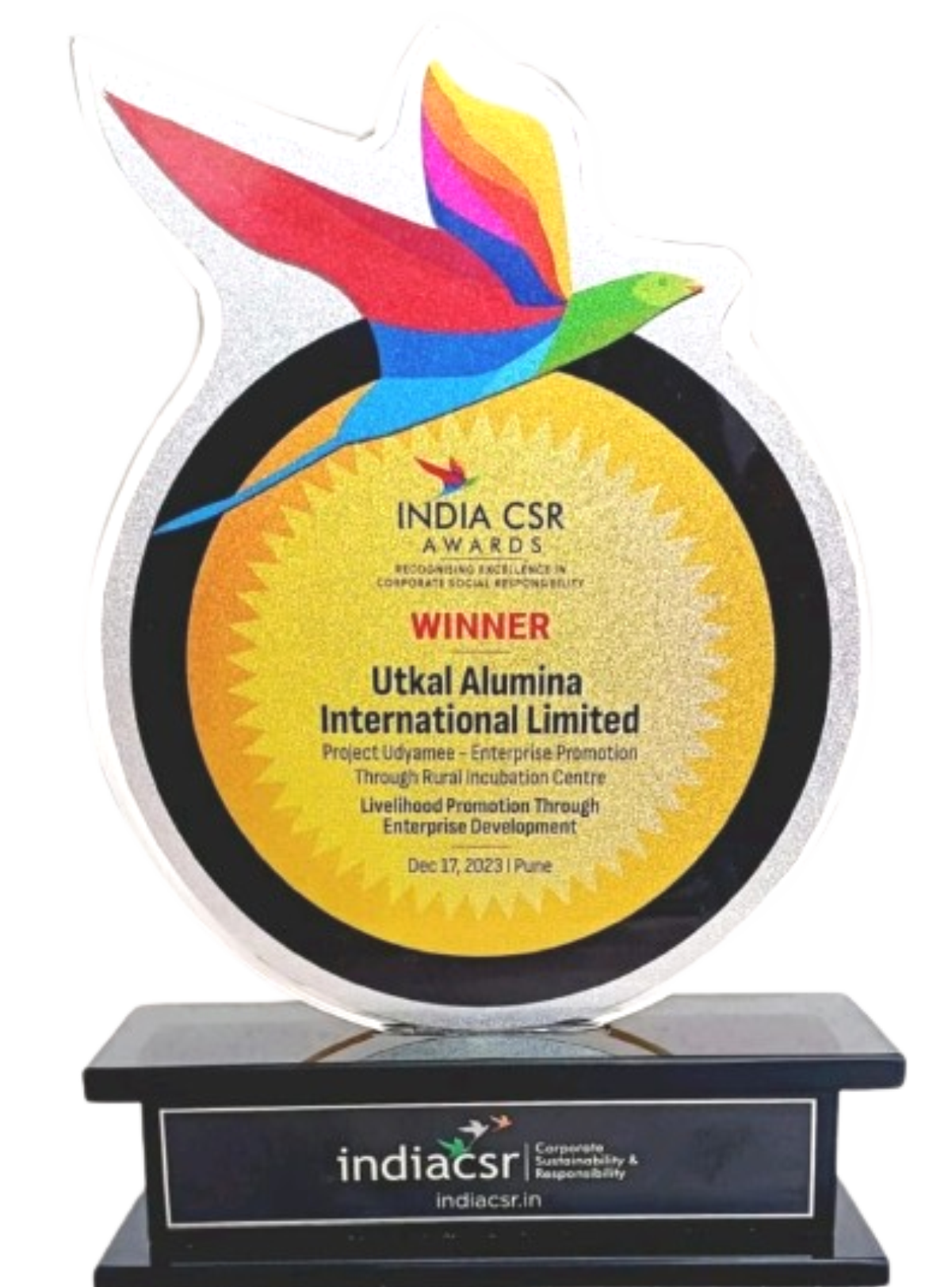
Awarded the INDIA CSR Award (Winner) for ‘Project UDYAMEE’ under the category Enterprise Development.
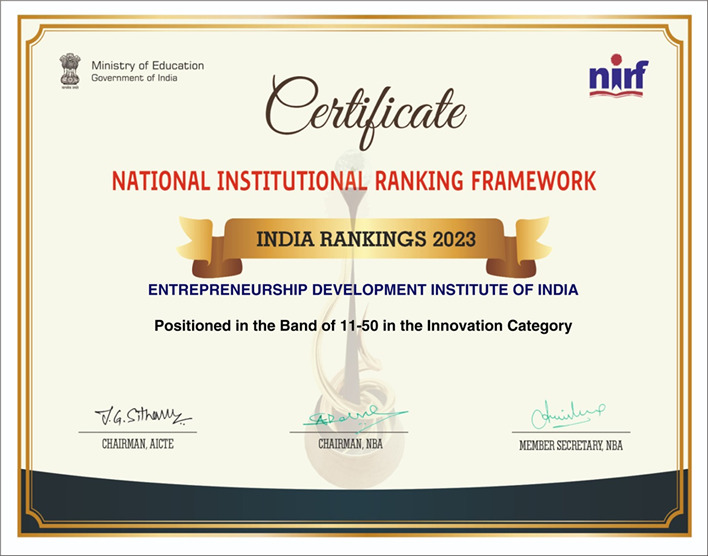
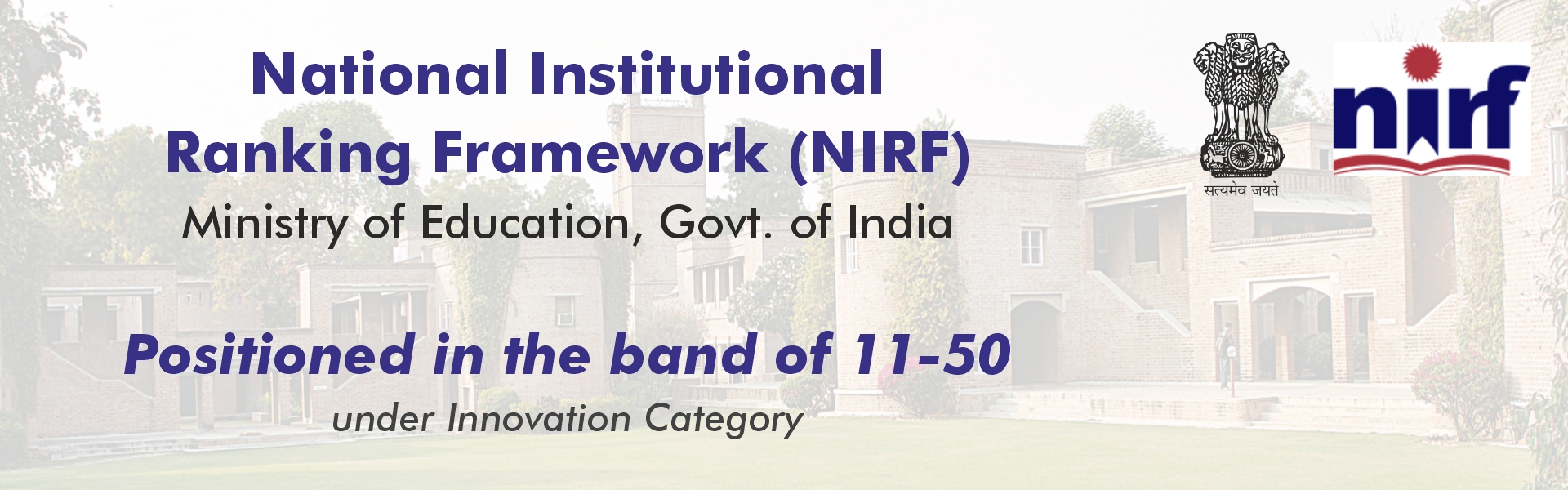
The Institute has also been positioned in the band of 11-50 under Innovation Category by National Institutional Ranking Framework (NIRF), Ministry of Education, Govt. of India
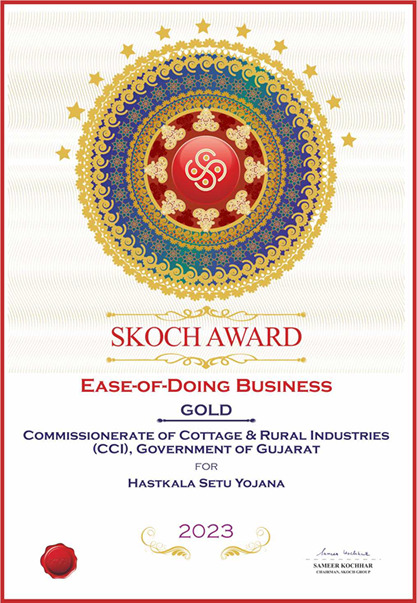
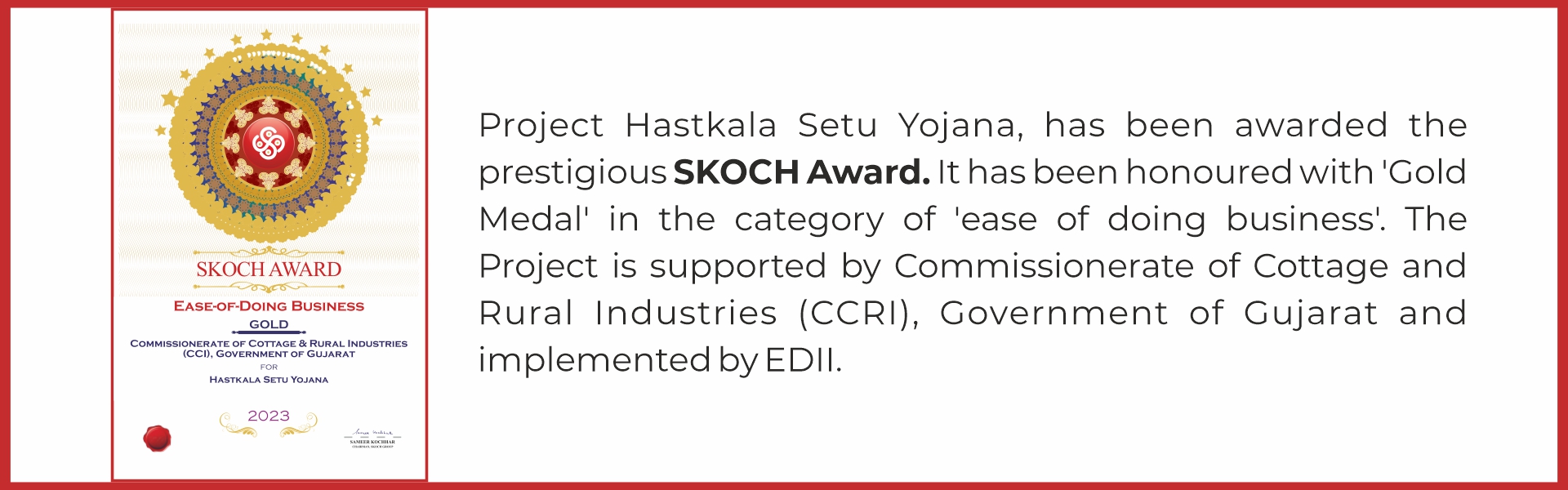
Hast Kala Setu Yojana Received ‘Gold’ (Ease of Doing Business) under the Prestigious SKOCH AWARD
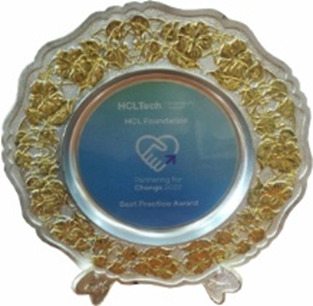
Best Practice Presentation Award at Partnering for Change Event 2022 by HCL Foundation
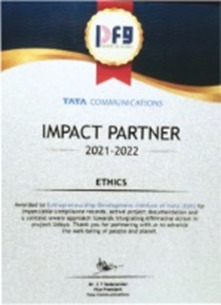
Ethical Practice Award for Project Udaya, by TATA Communications
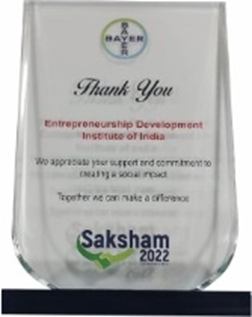
Best Saksham Award 2022 by Bayer Foundation for project UNNATI
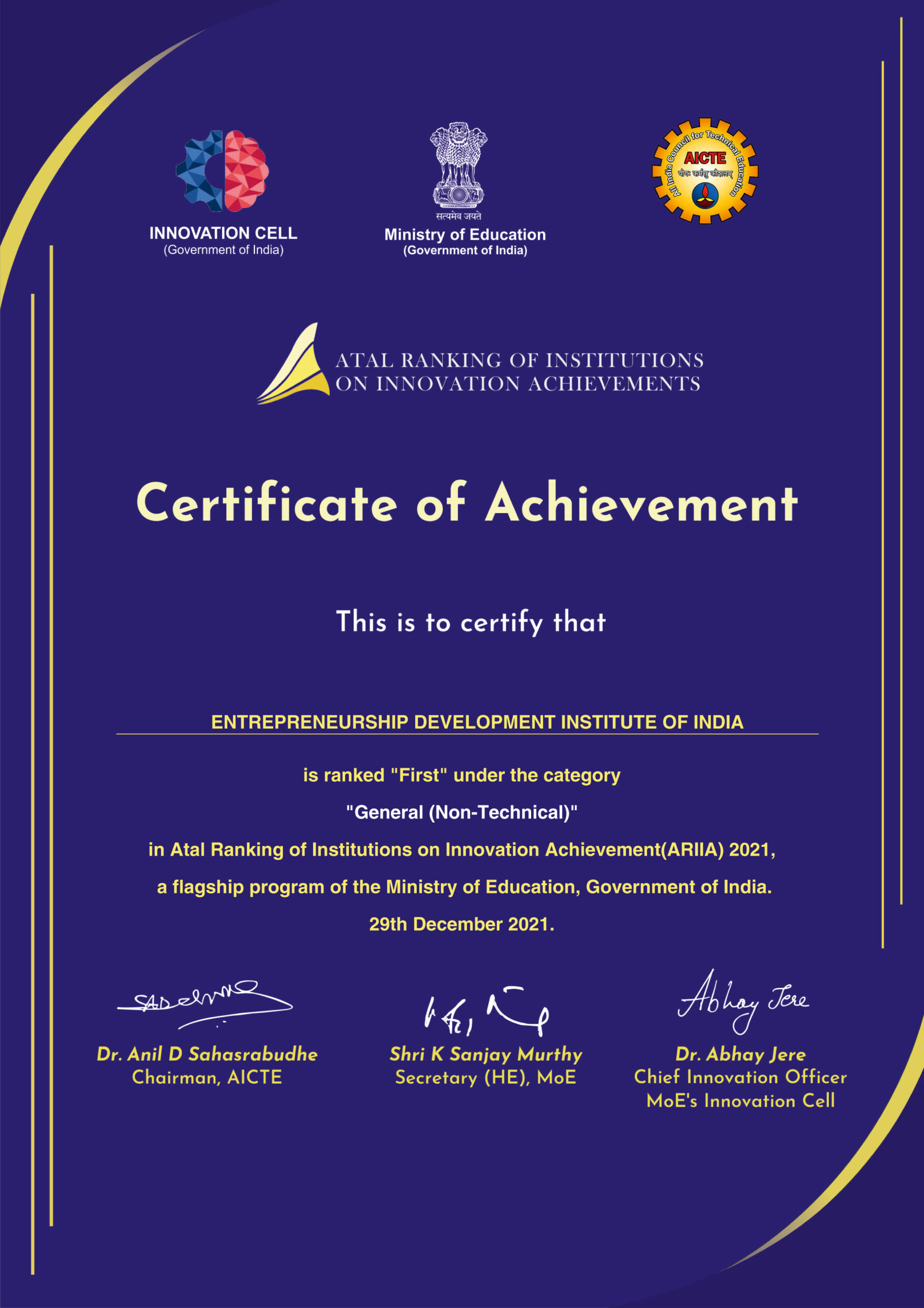
ARIIA Certificate- Ranked as No. 1 under General (Non-Technical Category) by Atal Ranking of Institutions on Innovation Achievements (ARIIA)-2021, Ministry of Education, Govt. of India
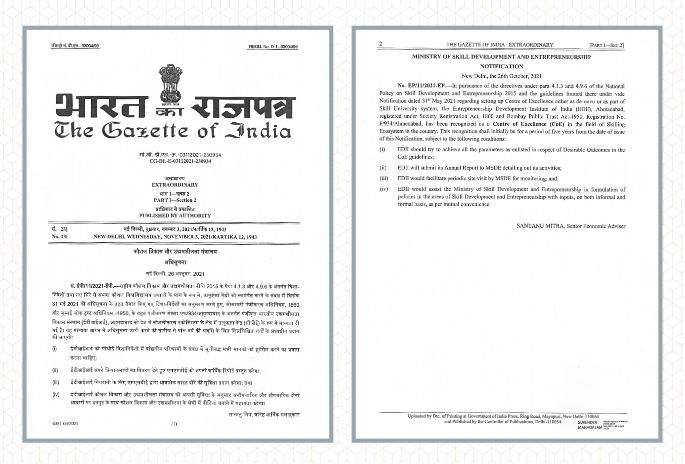
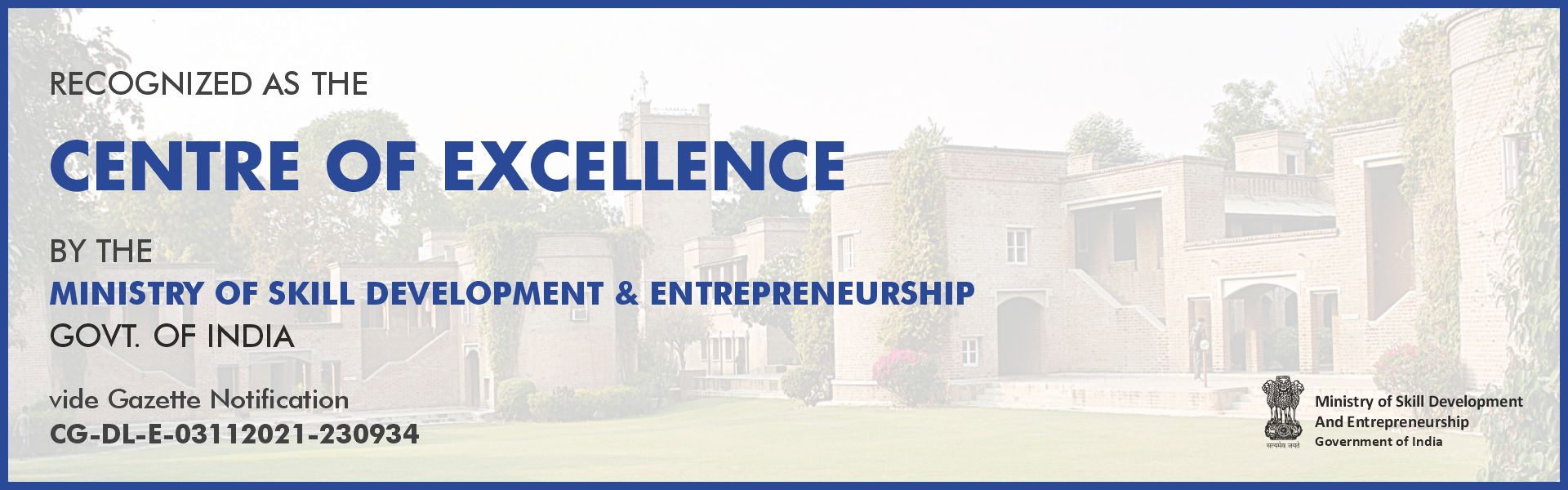
Recognized as 'Centre of Excellence' by Ministry of Skill Development and Entrepreneurship, Govt. of India
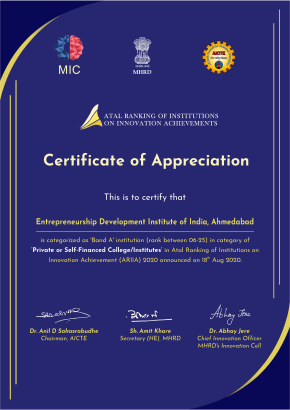
Ranked among top 25 institutes in India under Self Finance Institute category by Atal Ranking of Institutions on Innovation Achievements (ARIIA-2020 with Band-A).
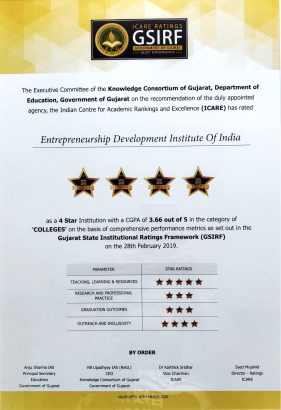
4-Star rating by GSIRF (2019).

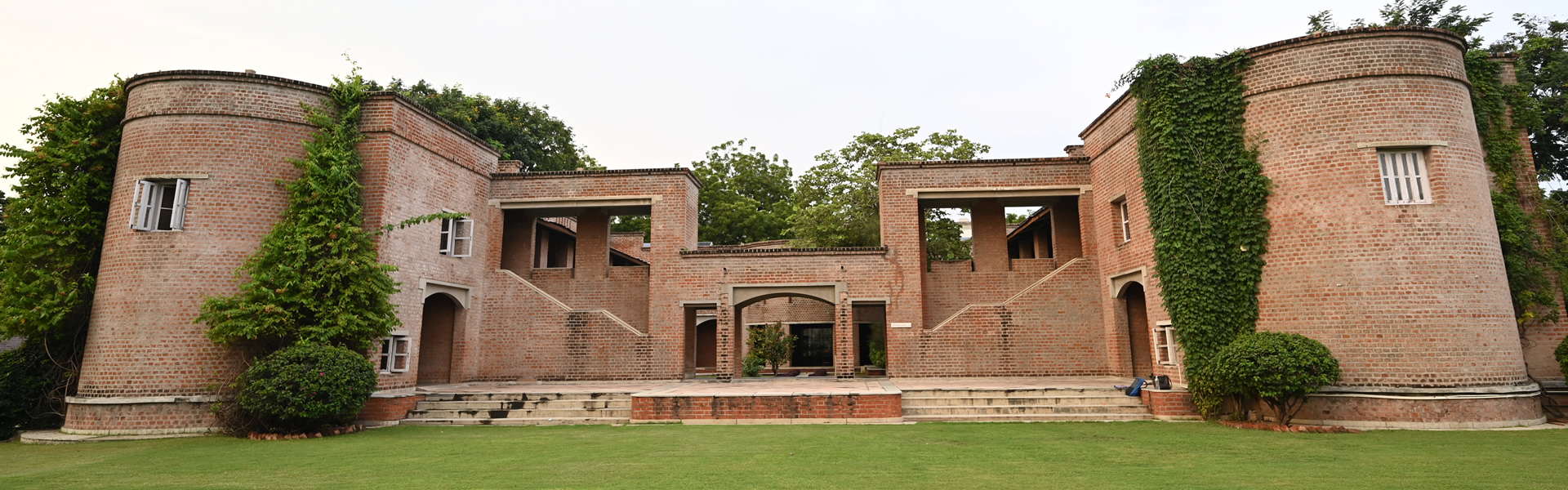
The Aga Khan Award for Architecture 1992
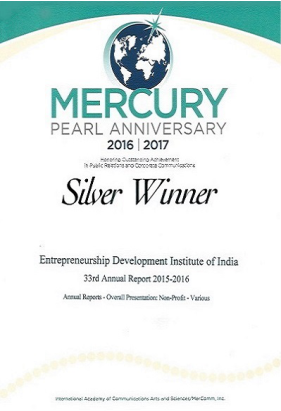
EDII wins International Mercury Award 2016-17
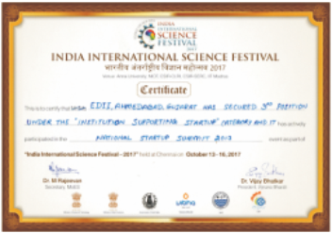
AICTE Award for supporting Start-ups 2017
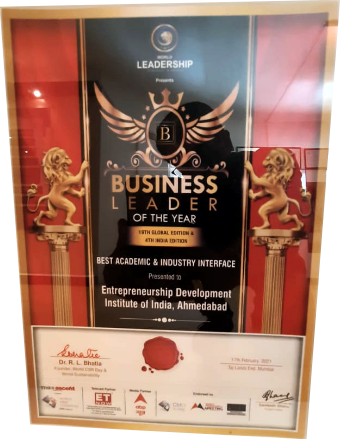
Business leader of the Year Award for Best Academic & Industry Interface 2021 by World Leadership Congress and Awards.
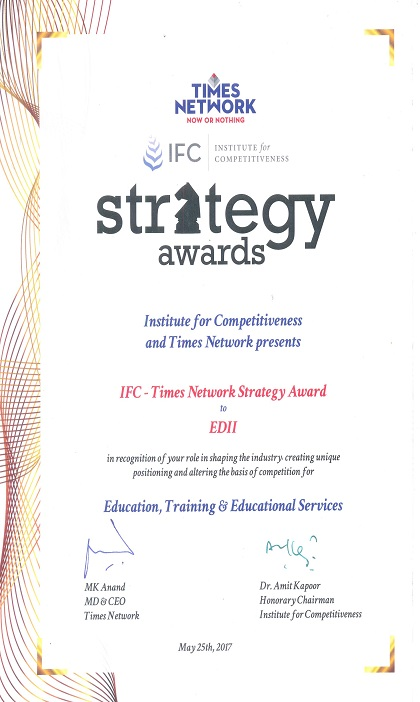
IFC - Times Network Strategy Award 2017
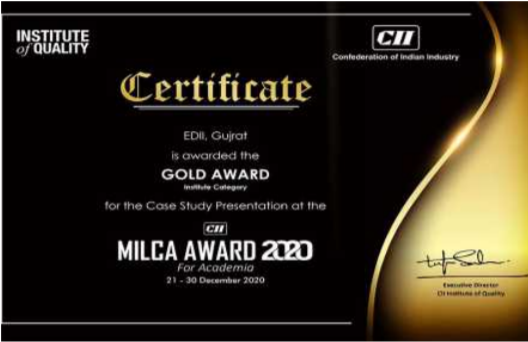
CII MILCA Award- 2020 under Institute Category (Gold Award)
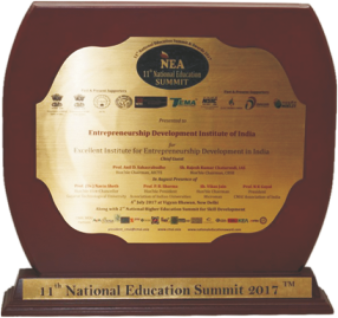
Excellent Institute for Entrepreneurship Development in India, Award during the 11th National Education Summit 2017
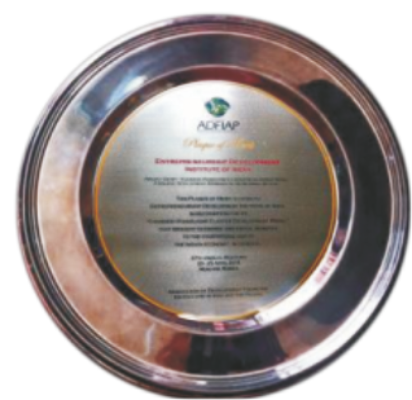
ADFIAP Development Award for Local Economic Development 2014
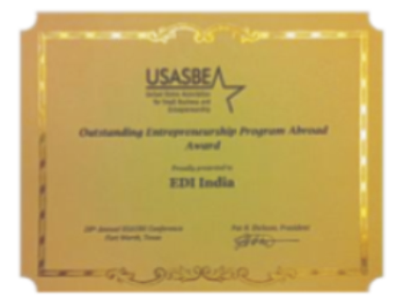
United States Association for Small Business and Entrepreneurship (USASBE) Outstanding Entrepreneurship Program Abroad Award
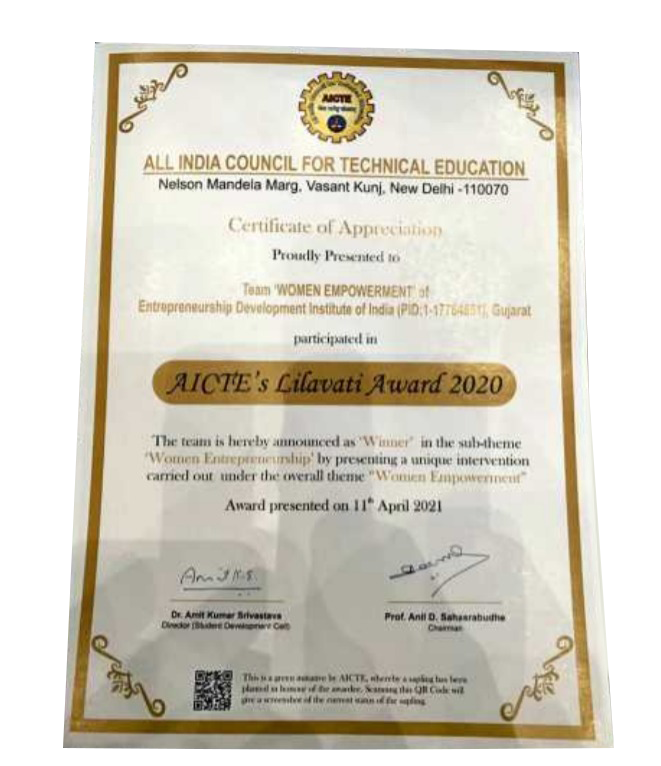
AICTE Lilavati Award 2020 on Women Empowerment (First Runner-up)

Late Shri Dewang Mehta B-School Leadership Award 2011 - 2012 - 2013 - 2014

Dainik Bhaskar National Education Leadership Awards 2013
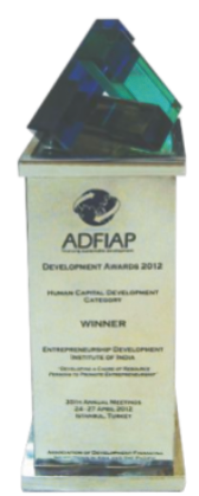
ADFIAP Development Award for Human Capital 2012
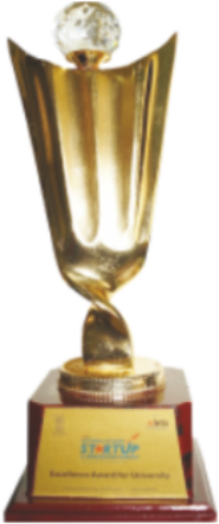
Excellence Award for University bestowed upon EDII





























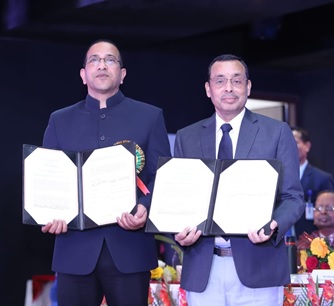 On 7th Dec, Department of Higher Education, Govt. of Uttarakhand signed an MoU with EDII in a state event chaired by Shri Pushkar Dhami, Hon’ble Chief Minister and Co-Chaired by Dr. Dhan Singh Rawat, Hon’ble Minister of Higher Education, Govt. of Uttrakhand. Hon’ble CM, Shri Pushkar Dhami talked about the Institute and highlighted that EDII’s association with State would boost Entrepreneurship and Skill Development initiatives in the state. The event was attended by all the Vice-Chancellors of the state and esteemed Secretaries, Directors, Principals and Professors.